Cape Hatteras is the most consistent wind destination on the East Coast. Hatteras Island is a 40-mile barrier island sitting up to 30 miles offshore, with the shallow Pamlico Sound on one side and Atlantic surf on the other. That geography means rideable conditions in nearly every wind direction, flat water and waves within walking distance, and wind that blows 17–30 knots regularly from March through November. If you're checking the Cape Hatteras wind forecast before a trip, here's the short version: spring and fall are the best seasons, southwest is the most common rideable direction in summer, and you should always bring one kite size up and one down from what you think you'll need.
Seasonal Conditions
Wind Patterns
OBX wind comes from two engines. Spring and fall frontal systems produce the strongest sessions — northeast through northwest at 17–30 knots, sometimes lasting for days. These are the sessions riders fly across the country for. Summer shifts to thermal wind driven by the temperature difference between the warm sound and cooler ocean, typically southwest at 12–18 knots filling in by early afternoon. Winter nor'easters deliver 25+ knot days but water temps drop into the 40s.
Wind direction is everything at Hatteras because the island changes orientation. The northern stretch from Rodanthe to Avon faces west, so northwest and southwest winds blow clean and sideshore across the sound — ideal conditions. Northeast wind along this stretch gets funneled and gusty. Once you reach Buxton where the island hooks west, northeast becomes sideshore and rideable on the ocean side. Southwest is the bread-and-butter summer direction. Northwest is the cleanest sound wind. Due south is the one direction that doesn't work well anywhere on the island.
The reason OBX works in almost any forecast: the island bends. The northern stretch runs north–south, so SW and NW are sideshore. At Buxton the island hooks due west, flipping the angle — NE becomes sideshore and the ocean turns on. Two shorelines facing opposite directions means there's almost always somewhere working.
Petal length = % of 15+ kt hours • NDBC buoy 41025 • 5-yr avg 2020–2024
Spot Guide
Launch Points Map
Every rideable launch on Hatteras Island, from Rodanthe to Hatteras Village. Tap a pin for wind direction, skill level, and parking info.
All 11 Launches
The Spots — North to South
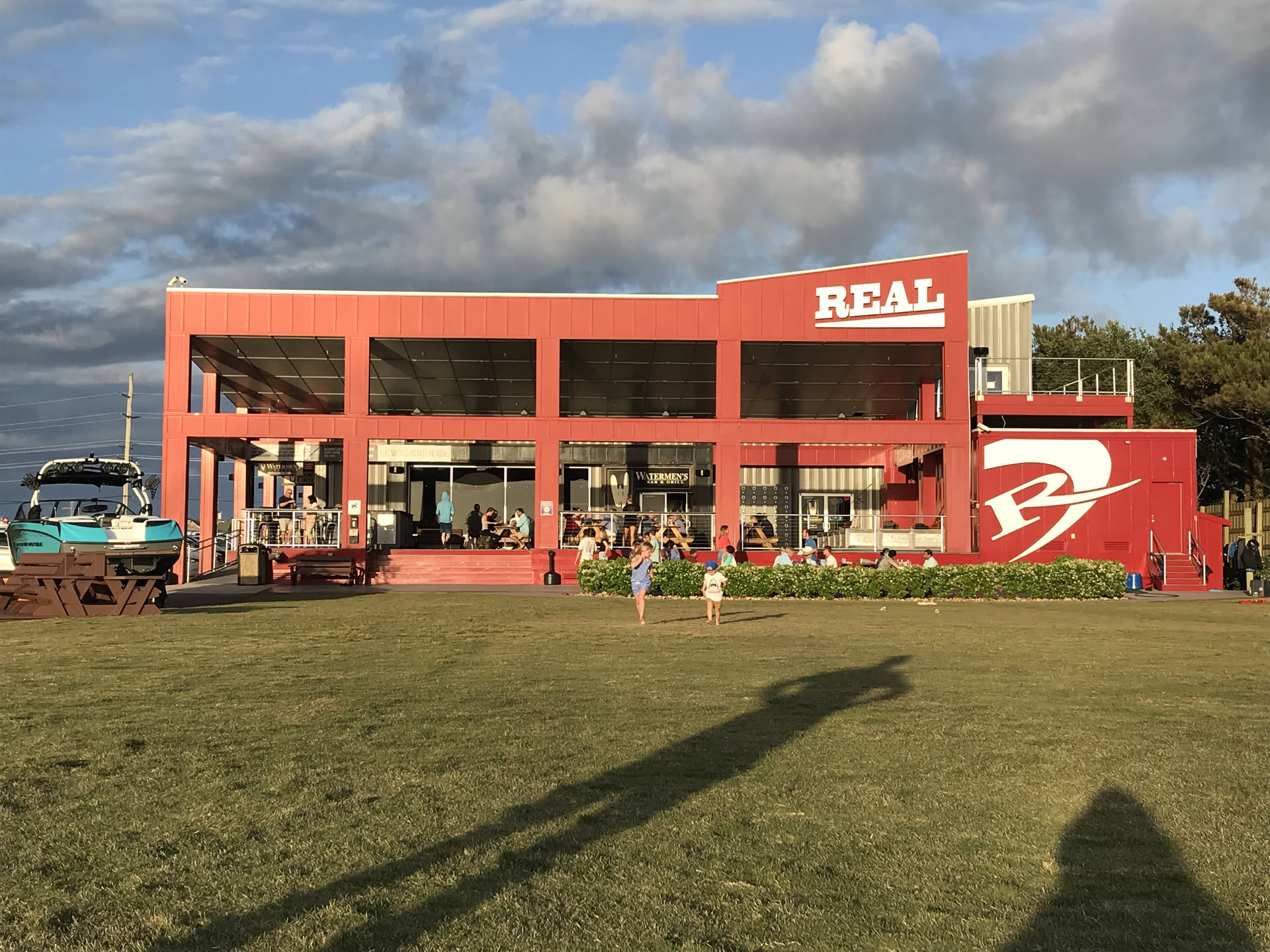
Real Watersports & Kitty Hawk Kites (Rodanthe / Waves)
The hub of OBX kiteboarding. Both shops offer sound access, lessons, gear rental, restaurants, and the social scene. If it's your first trip to Hatteras, base yourself here. Parking is easy, the vibe is welcoming, and you're surrounded by other riders.
Salvo Day Use Area
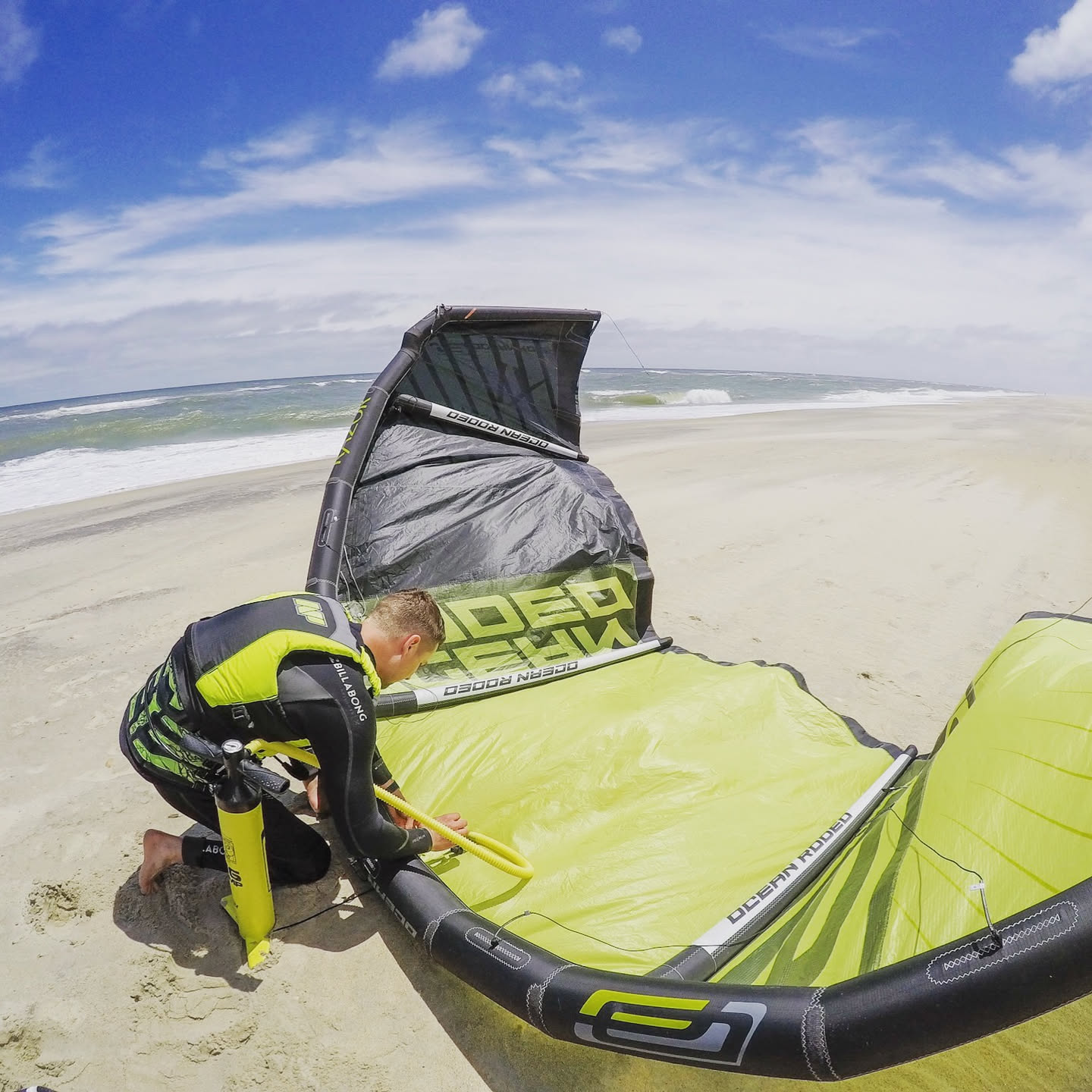
NPS-maintained with real parking, bathrooms, and a wide sandy sound beach. Good elbow room for rigging. One of the most beginner-friendly launches on the island because of the space and shallow water.
Mile Markers 46, 48, 51, 52, 53
Unmarked sandy pulloffs along Highway 12 between Salvo and Avon. Each gives sound access through short paths. Parking is tight and beaches are small, but these are your escape when the main spots get crowded. Locals know them by number.
Chimney House (Mile Marker 51)
Starting point for the Planet of the Apes downwinder — the legendary OBX ride through butter-flat channels and slicks heading north. Launch here in southwest wind and exit at KOA Campground in Waves or further north in Rodanthe.
Canadian Hole (Haulover Day Use Area)
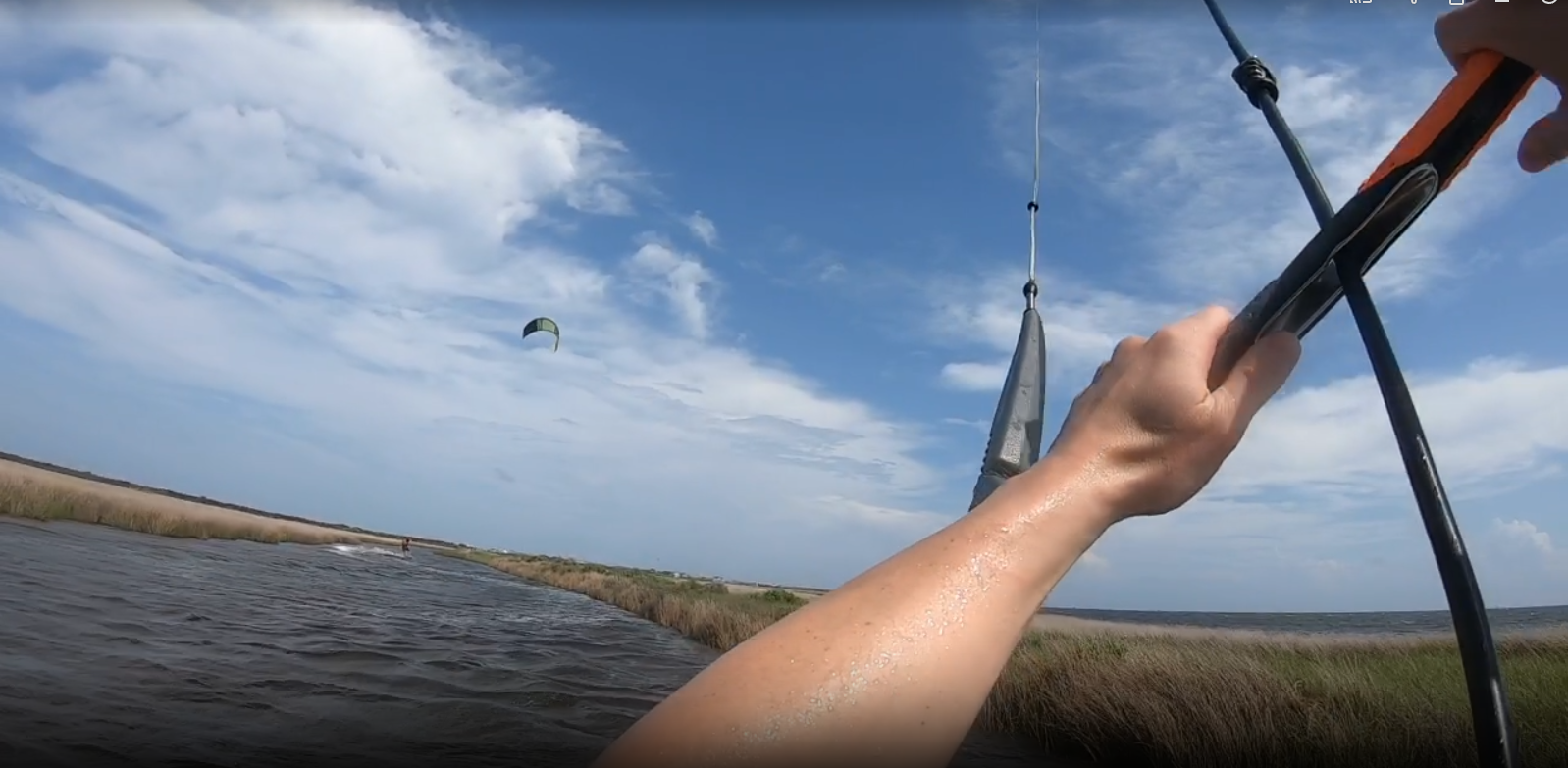
The original windsurfing mecca between Avon and Buxton, now shared with kiters. Paved parking, bathhouses, easy access. Gets very crowded on good days because it's the first spot visiting riders find. Shallow water extends far out into the sound.
Kite Point (The Cove)
The most popular kite launch on Hatteras Island. Ankle-to-waist-deep water stretches hundreds of yards offshore, flat to light chop. The Cape Hatteras Lighthouse in the background makes it one of the most photographed kite spots in the country. Accessible by walking or 4WD with a beach driving permit. Parking along Highway 12 fills fast.
Buxton Slicks
South of Kite Point toward Buxton. On the right day the water goes glass-flat — sought after for freestyle, foiling, and wing foiling. One of the best flat-water wing foiling spots on the East Coast.
Frisco Woods Campground
Sound access that works well in northeast wind, when most northern spots get gusty. Being on the western arm of the island changes the wind angle. Small admission fee. Watch for power lines and trees near the launch area.
Sandy Bay (Frisco to Hatteras Village)
Your northeast wind bailout on the sound side. Small launch, limited parking, fills fast. But when it's blowing NE and everywhere else is chopped out, this is where you want to be.
Ocean Side — Buxton South
Northeast swell with northwest wind creates world-class wave riding from Buxton Lighthouse south. Fall is prime wave season. Ramp 25 to Avon is a classic ocean downwinder on northeast days. Serious rip currents — know your ability.
Safety Intel
Hazards & Local Rules
- Power lines run close to several sound launches along Highway 12 — always check overhead before rigging.
- No-parking signs are strictly enforced. You can and will get towed.
- A 4WD beach driving permit is required for vehicle access to Kite Point and other National Seashore access points.
- Floating seaweed in the sound can snag lines, especially on windy days.
- Ocean-side rip currents are strong and dangerous — know your ability before launching on the Atlantic side.
- Highway 12 is the only road on the island and speed limits are enforced aggressively.
- Ocean-side launches require constant awareness of swimmers and surfers in the water.
Gear by Season
What to Bring
Kite: 9m + 12m, 7m for big days
Wing: 5m, 4m backup
Suit: Full 4/3 wetsuit
Kite: 12m + 14m
Wing: 5m + 6m
Suit: Boardshorts or shorty
Kite: 9m + 12m
Wing: 5m, 4m backup
Suit: 3/2 wetsuit
Kite: 7m + 10m
Wing: 4m + 5m
Suit: 5/4 + gloves, hood, boots
Local Knowledge
The Vibe
Avon has the only full grocery store on the island and the most dining options. Orange Blossom Bakery in Buxton is famous for Apple Uglies — get there early or they sell out. Waves Market & Deli for quick burritos between sessions. Vacation rental houses split among a group of riders is the way to do Hatteras — far cheaper than hotels and many have direct sound access from the backyard. Real Watersports and Kitty Hawk Kites both have waterfront bars that become the social hub when the wind drops at sunset.
Rider FAQ
Frequently Asked Questions
What is the best time of year to kiteboard or wing foil at Cape Hatteras?
What wind direction is best at Cape Hatteras?
Is Cape Hatteras good for beginner kiteboarders?
What kite size do I need for Cape Hatteras?
Where are the best launch points at Cape Hatteras?
Do I need a beach driving permit at Cape Hatteras?
Never Miss a Session at Cape Hatteras
WindStoke sends you alerts when conditions match your gear and skill level. Know before it blows.
Get Free Wind Alerts